Last week I put my google skills to work and found the “in room dining” menu for the hospital where I will be delivering the Martian. I try really hard not to rant on my blog, but I was flabbergasted. For example, one of the suggestions on the menu for a good choice when moving from a liquid diet to a solid diet is a Starbucks Frappuccino. I don’t know what to say. People are licensed by the government and paid to come up with these nutritional recommendations for the sick and recovering?
Rant over, but needless to say I decided to pack a decent amount of my own food. I clearly haven’t done this before so I don’t really know if what I’m planning is going to be what I want or not.

During Labor
As long as I don’t request or require interventions, I am able to eat and drink to satisfy hunger and thirst during labor. My thought is that I’m probably not going to want actual food, but I’m going to need energy. I tried to pick foods that will be really easy to eat and provide quick hits of energy without leading to sugar crashes. I wish sugar didn’t impact me quite as much as it does, but I kept that in mind when picking my carbs. Last thing I want during labor is the crash that I feel after eating something like a cookie or a cupcake.
I have baby food pouches that are full of starchy veggies likes sweet potatoes and pumpkins, some fruit leather snacks, a fruit smoothie, and bone broth (currently frozen, I have a note to myself to take it out of the freezer as soon as early labor starts). I tried to make jello with kombucha using a very simple recipe, but the texture is super weird. If I don’t go into labor today and get to the store, I’ll try again to make some sort of gummy snacks, maybe using this recipe.
 Post Labor
There are a few decent meals on the menu to choose from post-birth so I’m not bringing actual prepared food. Worst case, Chipotle is 2 minutes away and Greg can go on a take out run. I have heard though that I will likely get hungry in middle of the night when the kitchen is closed, and depending on how long my labor is Greg might need some actual food, so I’m bringing along the following snacks. (I talked about almost all of these in my post on stocking the pantry.)
I have Primal Pacs (jerky, nuts, and dried mango), Chomps meat sticks, and two protein bars (Rx Bar and Eco cricket bar). And a few treats as well – I figure if I have some decent treats I’ll pick those over the desserts on the menu. I am birthing a child after all, a treat will be in order. I have a dark chocolate bar and then sunbutter cups in milk chocolate (for Greg) and dark chocolate (for me).
If you’ve done this before, any suggestions for me?
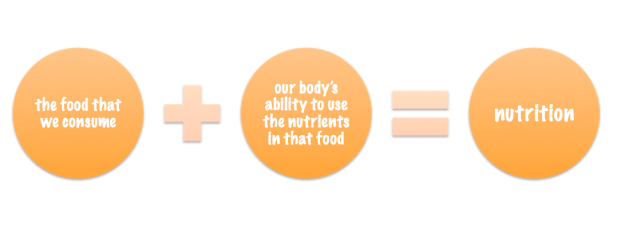 Nutrition is a science that studies the interaction between our food and our body. So yes, the food we put into our body is definitely part of nutrition. But there is the second part to the equation that I think is not widely thought about or understood: your body’s ability to use the nutrients in that food. Why is it important to recognize both?
 West Coast Martins